

You stay on title, you stay in your home, and there’s no required monthly mortgage payment — as long as you keep up with property taxes, insurance, and upkeep.
For many retirees, the largest asset they own is the home they live in — and the hardest one to access. A reverse mortgage is designed to change that. It converts a portion of your home equity into funds you can use however you choose, without requiring you to sell the home or make a monthly mortgage payment. It’s a genuinely useful tool in the right situation, and the wrong tool in others. Our job is to walk you through both honestly, so you and your family can make the decision with a clear understanding of how it works and what it costs.
A reverse mortgage is a loan secured by your home that works in the opposite direction of a traditional mortgage. Rather than you making payments to a lender and building equity over time, the lender makes funds available to you and the loan balance grows over time as interest and fees accrue.
The most common type is the Home Equity Conversion Mortgage, or HECM, which is insured by the Federal Housing Administration and governed by HUD rules. Proprietary reverse mortgages, sometimes called jumbo reverse mortgages, are offered by private lenders for higher-value homes that exceed the FHA lending limit, which HUD sets annually.
You remain the owner of your home and stay on title throughout. No monthly mortgage payment is required. The loan becomes due and payable when the last surviving borrower passes away, sells the home, or permanently moves out — which generally means not living in the home for twelve consecutive months, such as a long-term move into a care facility.
HECMs are non-recourse loans. That means neither you nor your heirs will ever owe more than the home is worth when the loan is repaid through a sale, even if the balance has grown beyond the home’s value. When the loan comes due, your heirs can repay it and keep the home, sell the home and keep any remaining equity, or hand the property to the lender and walk away without further obligation.
Reverse mortgages are for homeowners 62 and older who have substantial equity in the home they live in. Some proprietary programs are available to borrowers as young as 55 in certain states.
They tend to make the most sense for homeowners who intend to stay in the home for the long term and who want to improve their financial flexibility in retirement. Common reasons borrowers use one include eliminating an existing mortgage payment to free up monthly cash flow, supplementing retirement income, establishing a standby line of credit for future needs, covering healthcare or in-home care costs, funding home modifications for aging in place, or delaying Social Security to a higher benefit age.
There’s also a HECM for Purchase option, which lets you buy a different home — downsizing, moving closer to family, or relocating to a single-story property — using a reverse mortgage combined with a down payment, without taking on a monthly mortgage payment on the new home.
A reverse mortgage is usually not the right fit if you’re likely to move within a few years, since the upfront costs are significant and are spread over a short period. It also warrants careful thought if leaving the home to heirs debt-free is a high priority, or if you’re already struggling to keep up with property taxes and insurance. We’ll tell you plainly if we think it isn’t right for you.


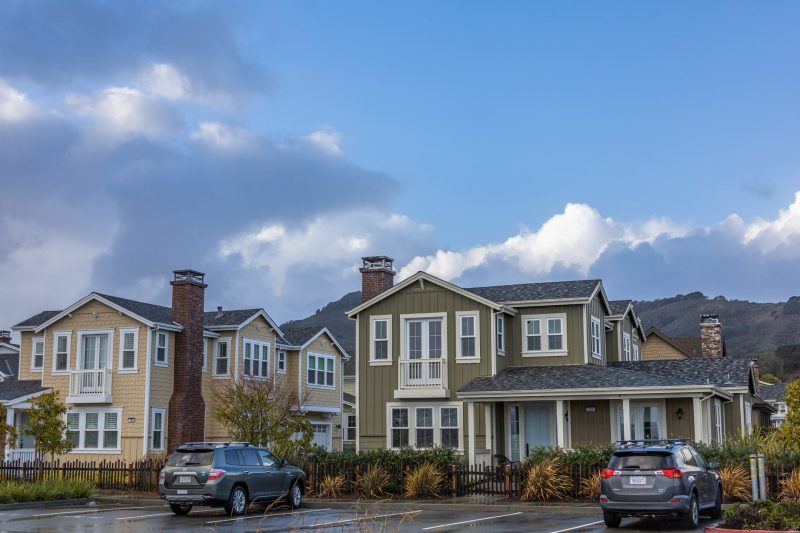
Get Your Financial House in Order Before Halloween As the leaves change color and the air turns crisp, Halloween is…

Preparing Your Home for Winter: A Smart Financial Move As the days grow shorter and temperatures begin to drop, homeowners…
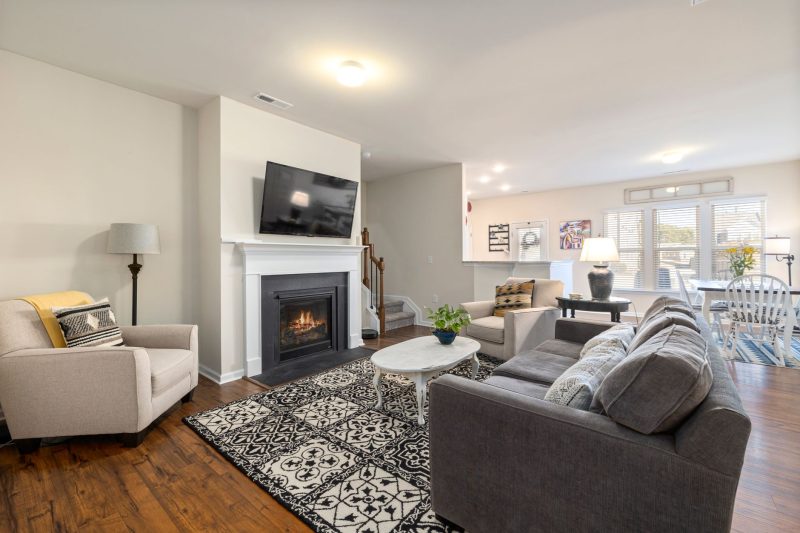
Introduction As we approach Columbus Day on October 12th, many are looking forward to the seasonal sales that often accompany…
Let’s simplify the process and find the best option for you.
© Brothers Financial. All rights reserved. Powered by Fast Hippo Media
Brothers Financial NMLS: 2472145
 (423) 425-9512
 brian@brothersfin.com


